The season is over. After months of games, travel and training, your body wants a break. Then the usual question shows up: if I rest for three weeks, do I lose everything I built? How long can I stop without starting preseason from scratch?
This guide is for athletes finishing their season in soccer, basketball, rugby, swimming or running, and for the strength coaches and coaches who plan the off-season. It covers what detraining is, what goes first and what research shows about stopping completely versus cutting back. It isn't a training plan. How long you rest and what you do is a call for your strength and conditioning coach.
What detraining is
Detraining is the partial or complete loss of training adaptations when the training stimulus becomes insufficient. That's the definition from Iñigo Mujika and Sabino Padilla in a classic two-part review published in Sports Medicine in 2000 (part I and part II).
The authors split it into two situations:
- Short-term detraining: less than four weeks of insufficient training stimulus.
- Long-term detraining: more than four weeks.
Stopping completely and training less are not the same thing. That difference matters most in the off-season.
Detraining timeline: what goes first
According to that review, not every quality drops at the same rate.
- Aerobic fitness drops fast. In highly trained athletes, a few weeks without training lowers maximal oxygen uptake (VO2max) and blood volume. The heart pumps less blood per beat and endurance performance suffers.
- Strength drops more slowly. After more than four weeks off, force production declines gradually and usually stays above untrained levels for a long time.
- Recent gains go fastest. VO2max gains you made recently are lost completely with long-term detraining. In athletes with years of training, VO2max falls but stays above the values of untrained people.
A 2022 meta-analysis of 21 studies in trained people confirmed that VO2max drops after both short and long breaks, and more after long ones. The authors conclude that doing some exercise during the break softens the decline (Zheng et al., Biomed Res Int, 2022).
What research shows by sport
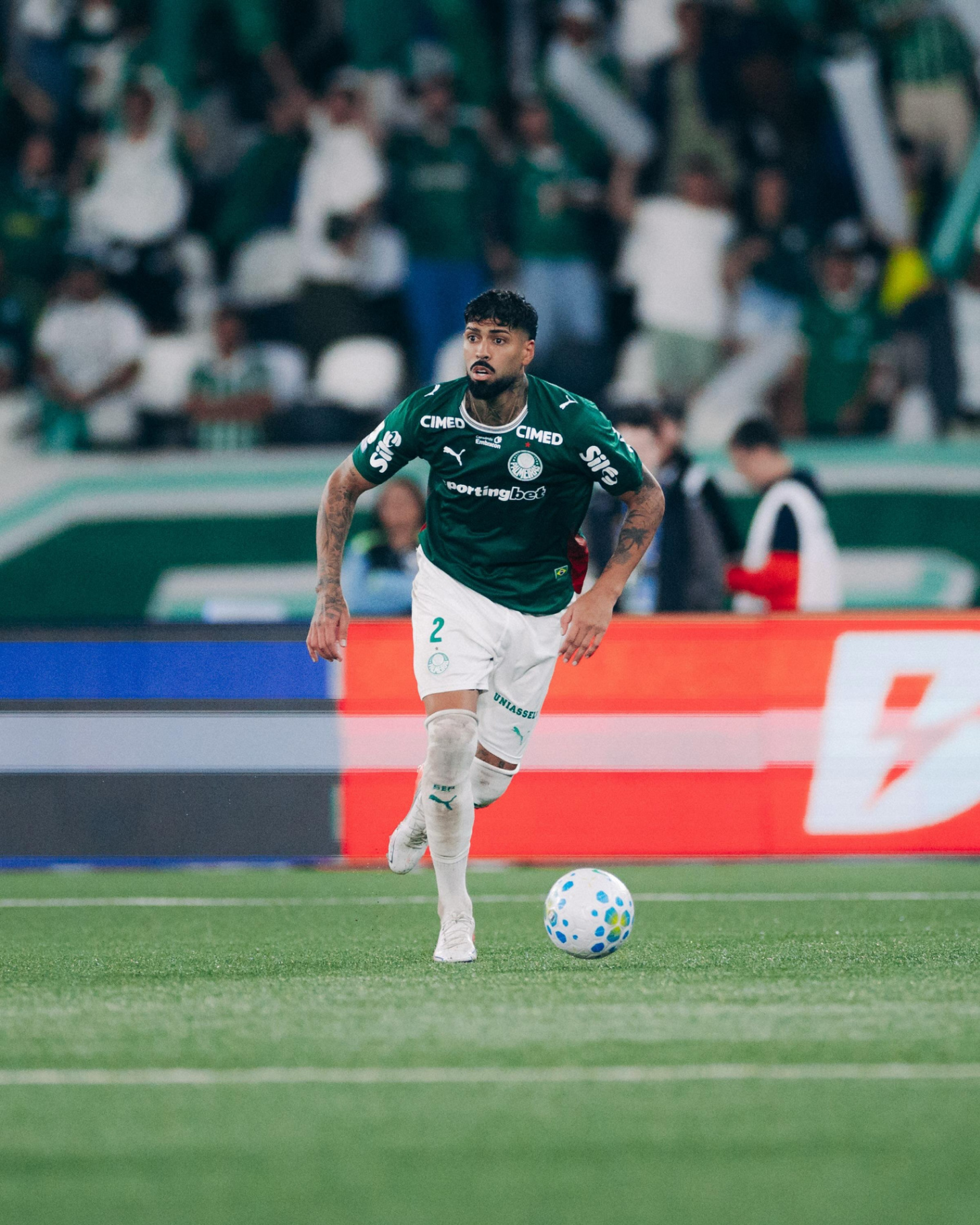
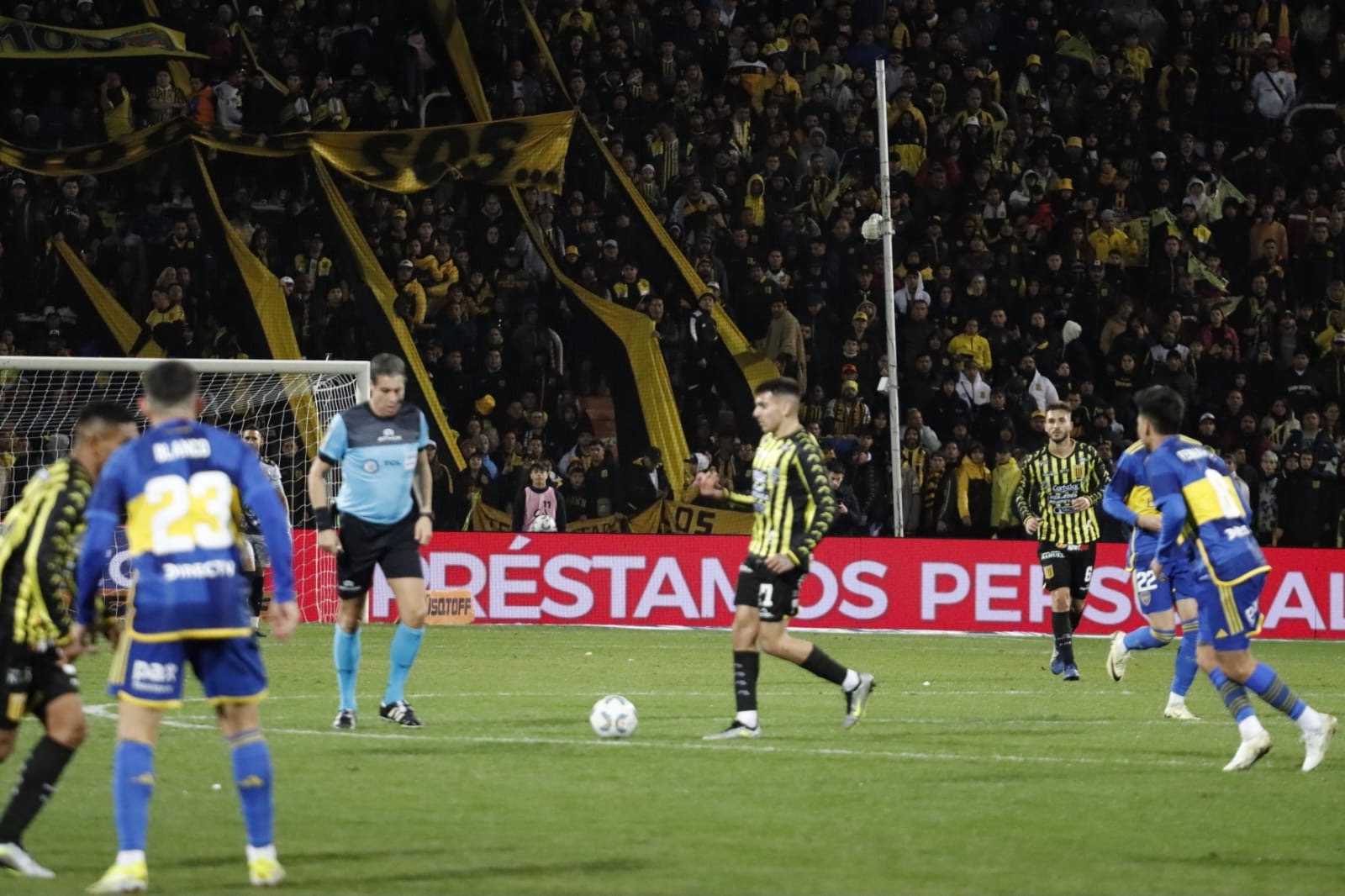
Soccer
A meta-analysis of 12 studies in male soccer players compared stopping training in the off-season with following an off-season program (Clemente et al., Sports Med, 2021):
- Stopping completely worsened VO2max, Yo-Yo test results, vertical jump, repeated-sprint ability and body fat percentage.
- Players on an off-season program also lost fitness, but VO2max and repeated-sprint ability dropped less than when they stopped completely.
Another review, covering 12 publications and 252 adult players, found that the transition period brings moderate declines in sprinting and large declines in VO2max (Silva et al., Sports Med, 2016). The authors suggest off-season programs with clear goals, few sessions and simple tools so players actually follow them. They describe it as a "minimum effective dose" to help players handle preseason.
Basketball
A 2026 trial split 34 NCAA Division I women's basketball players into two groups for a four-week off-season (Jafari and Dehkordi, Appl Physiol Nutr Metab, 2026). One group stopped training and the other reduced it. The group that stopped had a larger drop in myonectin, a substance produced by muscle, and a larger drop in insulin sensitivity. The authors conclude that keeping some reduced activity in the off-season may soften those early changes.
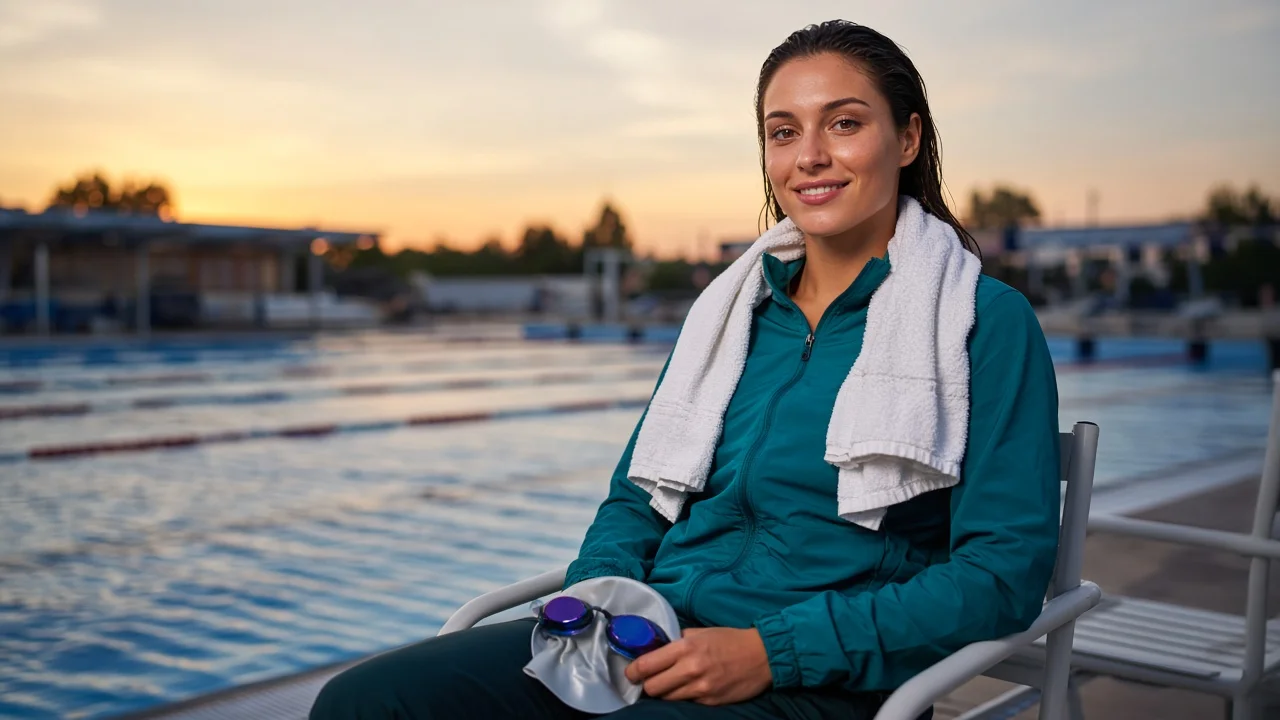
Swimming
In 16 recreational university swimmers, four weeks without training increased waist and hip measurements, fat mass and total cholesterol. Their 50-meter time and stroke technique variables did not change significantly (Dantsi et al., Sports, 2026). The authors urge caution: the sample is small, and no significant change doesn't prove performance held up.
Rugby
A 2026 survey asked 140 elite women's rugby players how they experience the off-season (Mellalieu et al., Behav Sci, 2026). On average they preferred an off-season of about 5 weeks, with a range of 4 to 10. They pictured it in three parts: a complete break from rugby, personal or remote training, and a gradual return to the team. They also said the off-season isn't only rest. There are injuries to manage, physical preparation, jobs, studies and financial pressure.
Running
We didn't review a 2026 study specific to runners for this guide. What Mujika and Padilla describe for endurance sports applies to running: aerobic fitness is the first thing to drop when you stop.
How long should you rest
There's no single number that works for everyone. It depends on your sport, how much you played, whether you finished with pain or an injury, and when preseason starts.
Two useful references:
- Professional soccer. The global players' union FIFPRO published a 2025 consensus statement with 70 medical and performance experts (FIFPRO, 2025). It recommends at least 4 weeks between seasons with no travel, training or media commitments, including 2 weeks with no contact with the club at all. After that, at least 4 weeks of retraining before competing. It also suggests clubs offer optional monitoring during the break, such as a training program or wellness check-ins.
- Elite women's rugby. The players surveyed in 2026 preferred off-seasons of about 5 weeks on average.
These are references for professional sport. Your coach adapts them to your calendar.
Stop completely or cut back
The finding that repeats most across studies is that reducing training protects more than stopping completely, especially during a long break. Part II of Mujika and Padilla's review describes how to limit detraining:
- Keep the intensity. It does the most to preserve adaptations.
- Cut frequency only moderately.
- Cut volume a lot. It's the variable you can reduce the most.
- Cross-train. Another activity can help maintain what you built. For athletes, the authors suggest an exercise similar to their own sport.
This doesn't mean you shouldn't rest. A complete break of a couple of weeks is part of several proposals, including FIFPRO's. The question is what comes next and who plans it.
Rest your head too
The off-season is the time to lower the mental load, sleep better and see family and friends. If sleep was a problem during the season, use the break to sort it out with our guide to sleep for athletes.
For strength and conditioning coaches
- Set the goal of the off-season with each player: full rest, maintenance or rehab.
- Handle injured players separately. Their off-season is planned by the medical staff.
- Few, simple sessions. Soccer reviews recommend programs players can complete on their own.
- Test at the end and at the start. One test when the season ends and another at the start of preseason show how much was lost.
- Consider life outside sport. In the rugby survey, jobs, studies and money shaped how players experienced the break.
The return has its own plan. We cover it in our preseason soccer training program guide.
Wrap up your season on your profile
The off-season is also a good time to put your season on record. Add your stats, your best clips and what you achieved this year before preseason begins. On ath.bio you build a profile with your career, your data and your best video in a single link. The Free plan includes up to 3 career stages and one video. To get the most out of it, read how to improve your athlete profile.
The off-season is also a good time to update your athletic resume with this year's stats and achievements.
If you're a strength coach, physical therapist or coach, you can show your training and experience in a professional staff profile.
FAQ
What is detraining? It's the partial or complete loss of training adaptations when the training stimulus becomes insufficient, for example during a vacation or an injury.
How long does it take to lose fitness? It depends on the quality. Mujika and Padilla describe aerobic fitness dropping quickly within a few weeks in highly trained athletes, while strength declines more slowly.
How long should an off-season break be? There's no single number. In professional soccer, FIFPRO recommends at least 4 weeks off and 4 weeks of retraining before competing. Your coach adjusts it to your situation.
Is it better to stop completely or keep training a little? Studies show that reduced training softens the losses compared with stopping completely, especially for aerobic fitness. A short complete break is still part of many plans.
What should off-season training include? Research suggests keeping intensity, cutting volume and only moderately reducing frequency. The details depend on your sport and should come from your coach.
This article is for information only and doesn't replace planning by a strength and conditioning coach or advice from a health professional.